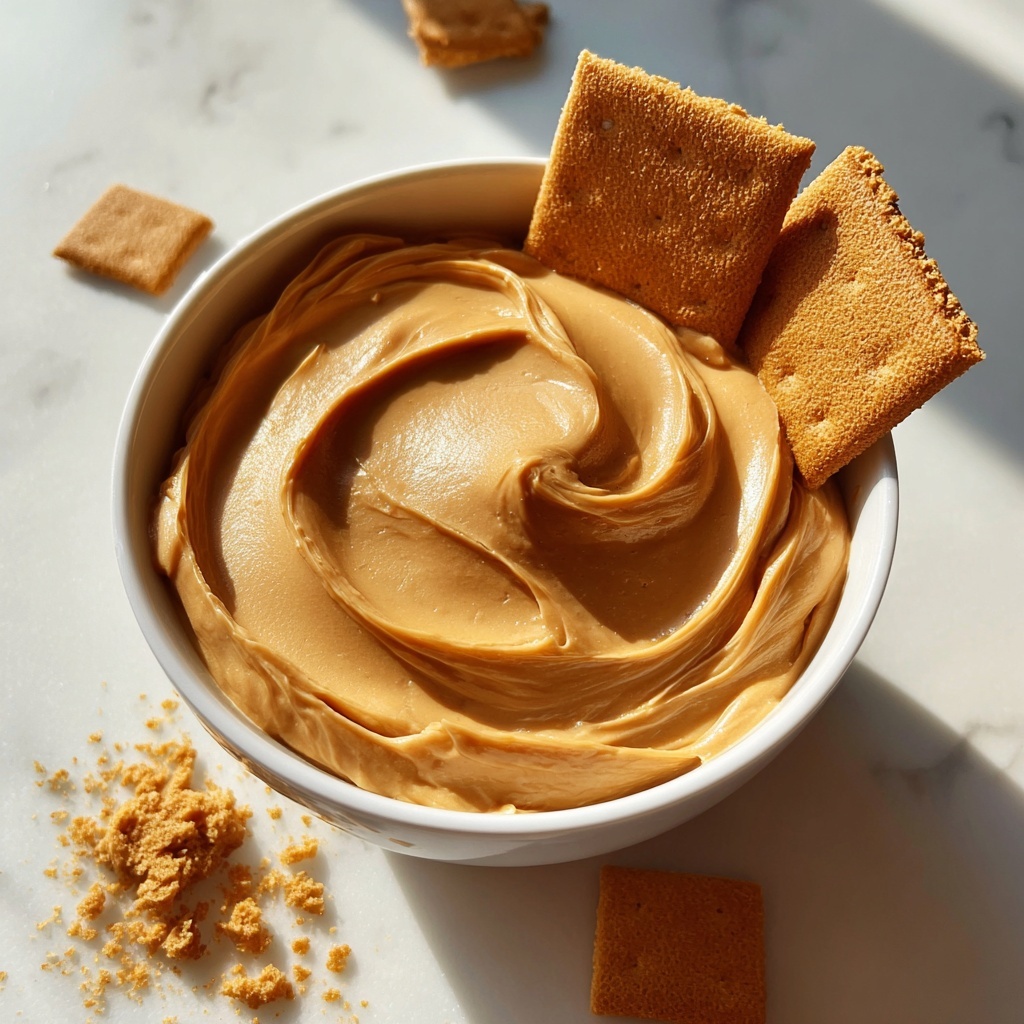
If you adore all things creamy, dreamy, and packed with that unmistakable caramelized crunch, this Biscoff Buttercream Recipe is going to steal your heart. It takes the beloved spiced cookie spread and transforms it into a buttercream frosting that’s luxuriously smooth, perfectly sweet, and rich enough to elevate any cake, cupcake, or dessert into a showstopper. Whether you’re an experienced baker or a home cook wanting to add a little twist, this recipe is incredibly straightforward and yields a frosting you won’t want to stop tasting.
Ingredients You’ll Need
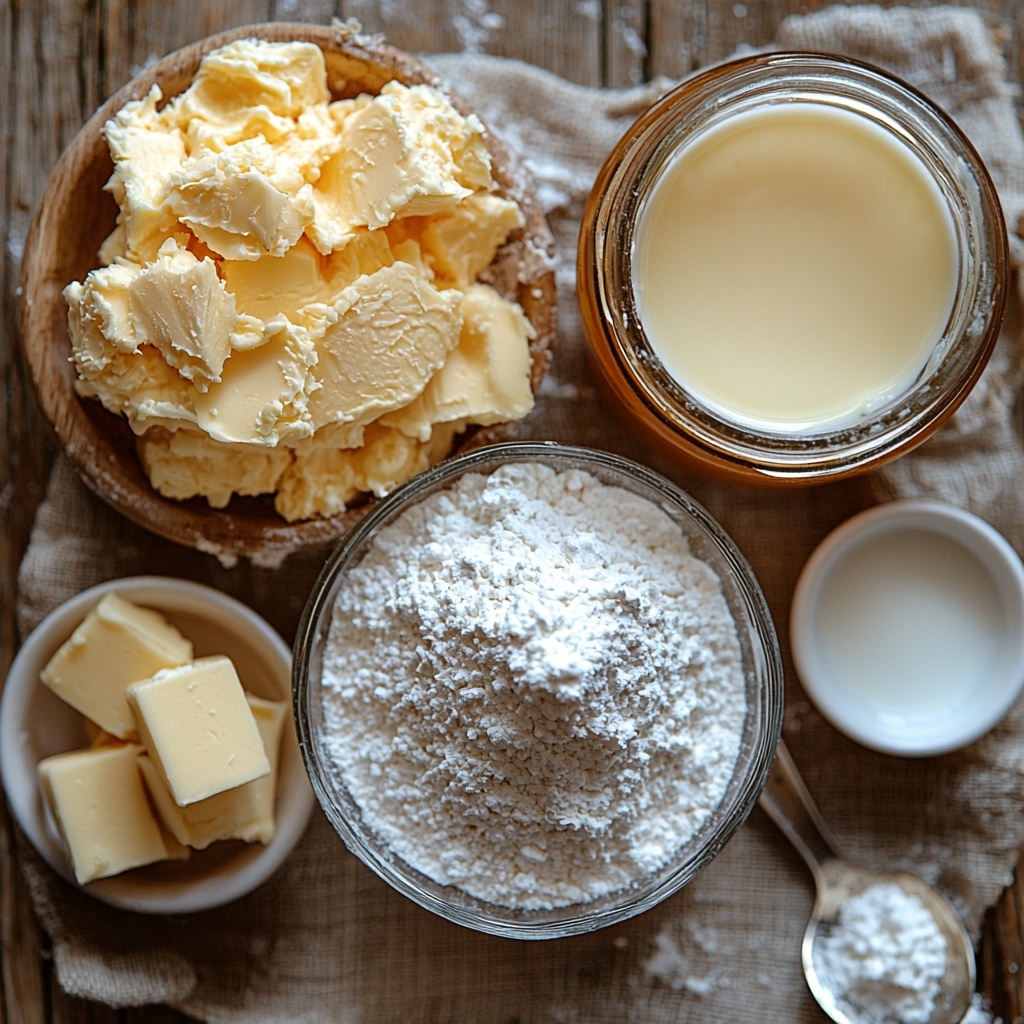
Gathering simple, high-quality ingredients is key to making this Biscoff Buttercream Recipe a true delight. Every element plays a crucial role—transforming basic components into a frosting that’s silky, flavorful, and just the right texture for spreading or piping.
- 1 cup unsalted butter, softened: Creamy and smooth, unsalted butter provides the perfect fat base and richness without overwhelming saltiness.
- 2 cups powdered sugar: This finely ground sugar brings sweetness and helps create the classic fluffy texture of buttercream.
- 1/2 cup Biscoff spread: The star ingredient, infusing that caramelized, subtly spiced cookie flavor that sets this buttercream apart.
- 2 tablespoons milk: Adds just enough moisture to make the frosting spreadable and smooth without being runny.
- 1 teaspoon vanilla extract: Enhances all the flavors, rounding out the richness with warm aromatic notes.
How to Make Biscoff Buttercream Recipe
Step 1: Cream the Butter
Start by beating the softened unsalted butter in a large bowl until it becomes creamy and pale. This step takes a few minutes but is essential to achieve that light, fluffy texture we’re after. The more you whip the butter, the better the buttercream’s consistency will be.
Step 2: Incorporate the Powdered Sugar
Next, add the powdered sugar gradually, mixing well after each addition. This method helps avoid a powdery cloud of sugar everywhere and ensures the sugar dissolves smoothly into the butter, creating a silky base for your Biscoff Buttercream Recipe.
Step 3: Blend in Biscoff Spread and Flavorings
Now comes the magic moment—add the Biscoff spread, the milk, and the vanilla extract. Mix everything until the frosting is perfectly smooth and homogenous. The Biscoff spread not only imparts flavor but also adds a little depth and complexity to the sweetness.
Step 4: Adjust Consistency
If your buttercream feels too thick to spread or pipe easily, add a splash more milk one teaspoon at a time until you reach the desired consistency. This step ensures your frosting is supple enough to work with, without losing its structure.
Step 5: Ready to Use or Store
Your luscious Biscoff Buttercream Recipe is now ready to top your cakes or cupcakes immediately. If you’re prepping ahead, simply store it in an airtight container in the refrigerator until you’re ready to frost your baked goods.
How to Serve Biscoff Buttercream Recipe
Garnishes
To make your Biscoff buttercream frosting pop visually and texturally, think about garnishes like crushed Biscoff cookies sprinkled lightly on top or a drizzle of melted Biscoff spread. A handful of toasted pecans or a dusting of cinnamon can also add a lovely finishing touch, enhancing both flavor and presentation.
Side Dishes
This buttercream pairs beautifully with simple vanilla or chocolate cakes, but it also shines next to nibbling options like spiced pumpkin muffins or gingerbread treats. Its caramelized notes complement autumnal flavors especially well, making it a versatile choice for festive gatherings.
Creative Ways to Present
Consider piping this buttercream into elegant rosettes on cupcakes or swirling it generously over whoopie pies for an indulgent treat. You can even sandwich it between layers of cookies or dollop it atop warm waffles for an unexpected but delicious dessert twist.
Make Ahead and Storage
Storing Leftovers
If you find yourself with leftover Biscoff Buttercream Recipe, transfer it into an airtight container and refrigerate. It will keep well for up to one week, maintaining its rich flavor and creamy texture—just remember to bring it back to room temperature before using.
Freezing
Buttercream freezes wonderfully. Scoop the frosting into a freezer-safe container and freeze for up to three months. When you’re ready to use it, thaw it overnight in the fridge and then whip it again briefly to revive its original fluffiness.
Reheating
Because this buttercream contains butter, it’s best not to reheat it with direct heat. Instead, allow it to come to room temperature and then use an electric mixer to smooth it out before spreading. This keeps the texture silky and prevents separation.
FAQs
Can I use crunchy Biscoff spread for this recipe?
While crunchy Biscoff spread can be used, it might make the buttercream slightly grainy due to cookie bits. For the smoothest frosting, creamy Biscoff spread is recommended.
Is this buttercream too sweet?
The Biscoff spread adds natural caramelized sweetness, but the powdered sugar balances it out. If you prefer less sweetness, you can reduce the sugar slightly, though it may affect the texture.
Can I substitute the butter with margarine or vegan butter?
Yes, you can use margarine or plant-based butter substitutes, but keep in mind the flavor and texture may differ slightly from traditional unsalted butter-based frosting.
How do I make this frosting lighter?
To lighten the buttercream, try folding in a small amount of whipped cream or reducing the amount of butter slightly, but be cautious as this will also affect stability and consistency.
Will the Biscoff Buttercream Recipe hold up in warm weather?
Because butter is temperature sensitive, this buttercream may soften in very warm conditions. Keep desserts refrigerated until serving, and if outdoors, try to keep them shaded and cool.
Final Thoughts
You really can’t go wrong with this Biscoff Buttercream Recipe—it’s a delightful fusion of creamy, sweet, and spiced flavors that brings a cozy warmth to your baked creations. Whether you slather it over cakes or use it as a decadent dip, it’s bound to become one of your favorite frostings. Give it a try and watch your desserts transform into something truly special that friends and family will rave about.
Print
Biscoff Buttercream Recipe
- Prep Time: 15 minutes
- Cook Time: 0 minutes
- Total Time: 15 minutes
- Yield: 2.2 cups
- Category: Frosting
- Method: No-Cook
- Cuisine: American
Description
A rich and creamy Biscoff Buttercream frosting made with smooth Biscoff spread, creamy unsalted butter, and just the right amount of sweetness and vanilla. Perfect for piping on cupcakes, cakes, or cookies for a deliciously spiced caramel flavor.
Ingredients
Buttercream Ingredients
- 1 cup unsalted butter, softened
- 2 cups powdered sugar
- 1/2 cup Biscoff spread
- 2 tablespoons milk
- 1 teaspoon vanilla extract
Instructions
- Beat the butter: In a large bowl, beat the softened unsalted butter until it becomes creamy and smooth, ensuring a light base for the frosting.
- Add powdered sugar: Gradually add the powdered sugar to the butter, mixing well after each addition to avoid lumps and create a silky texture.
- Mix in Biscoff spread and liquids: Add the Biscoff spread, milk, and vanilla extract to the mixture. Continue mixing until the buttercream is smooth and evenly blended.
- Adjust consistency: If the buttercream is too thick, add a little more milk, a teaspoon at a time, until you reach your desired consistency perfect for spreading or piping.
- Use or store: Use the buttercream immediately to frost your baked goods or store it in the refrigerator in an airtight container. Before use after chilling, allow it to come to room temperature and rewhip for best consistency.
Notes
- Ensure the butter is softened to room temperature for easy beating and smooth buttercream.
- Add milk gradually to avoid thinning the frosting too much.
- This buttercream can be stored in the refrigerator for up to one week or frozen for longer storage.
- Rewhip after chilling to restore fluffy texture before use.
- Perfect for decorating cakes, cupcakes, or as a filling for cookies.