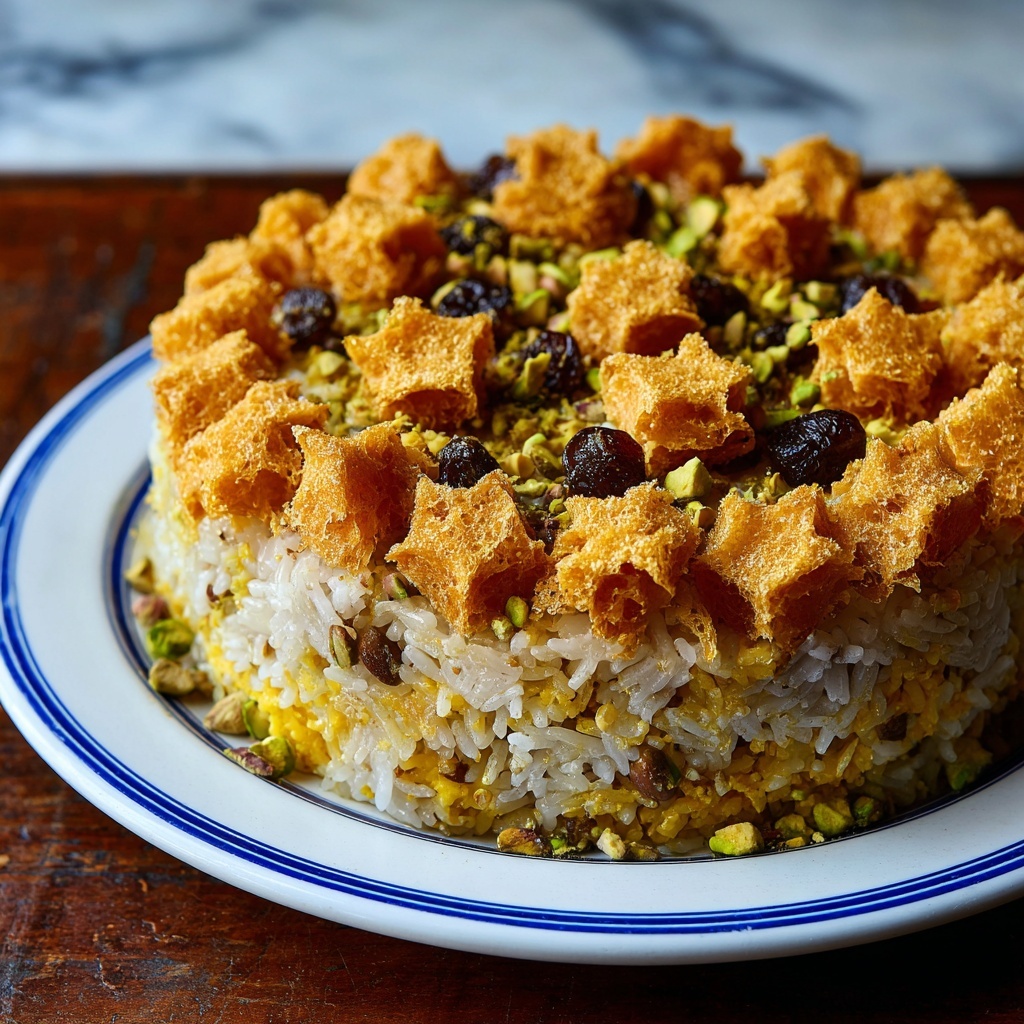
If you cherish that magical golden crust hiding beneath Persian rice, you are going to fall head over heels for this Crispy Persian Tahdig with Dried Cherries, Orange Zest, and Pistachios Recipe. This dish transforms simple ingredients into something truly extraordinary, where the crunch of the tahdig meets the sweet and tangy bursts of dried cherries, balanced with bright orange zest and the rich crunch of pistachios. Whether you’re serving this to family or friends, it’s a showstopper that brings vibrant colors, intriguing textures, and an unforgettable aroma to your table.
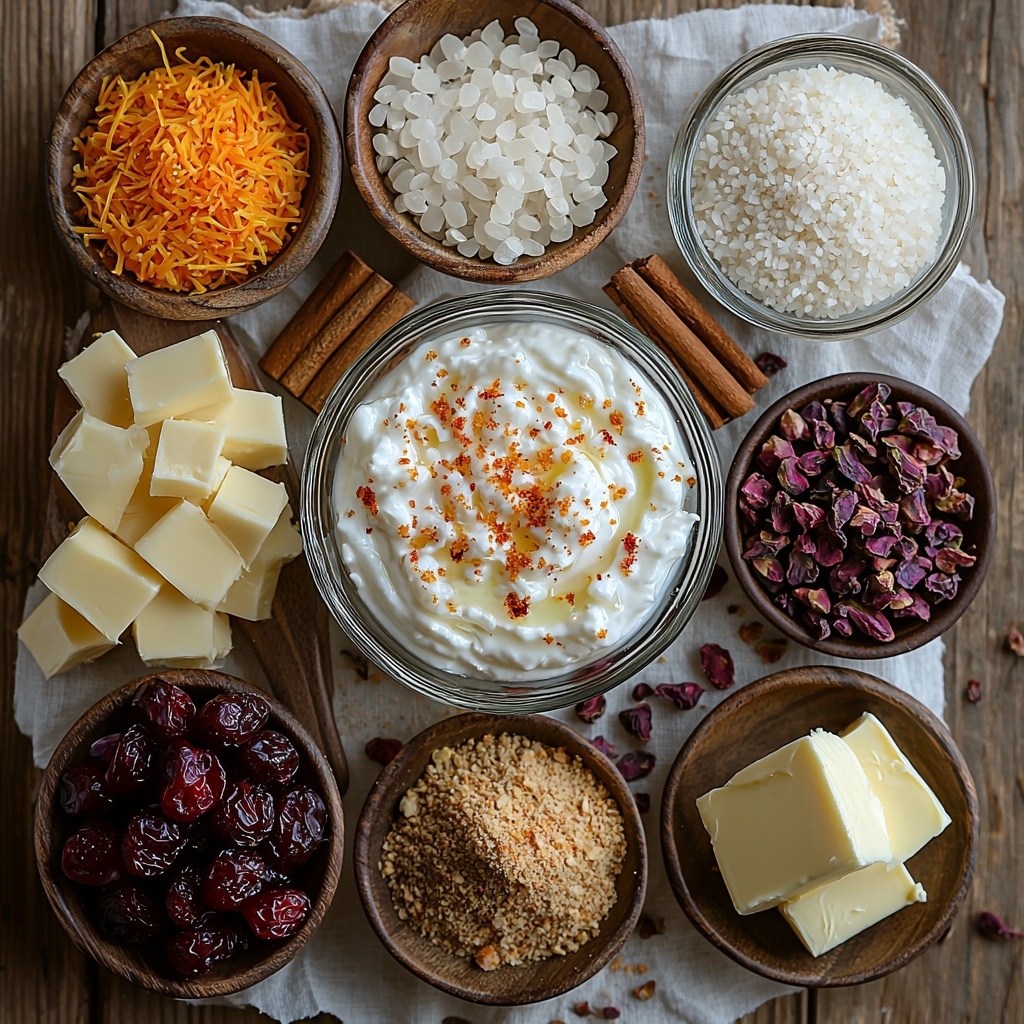
Ingredients You’ll Need
Each ingredient in this recipe plays a crucial role, combining to create a flawless balance between crispiness, sweetness, and fragrant warmth. You’ll love how accessible these ingredients are, and how each one adds its own unique flavor or texture, allowing the tahdig to shine with character.
- Saffron threads: For that unmistakable golden hue and a subtle floral aroma that elevates the entire dish.
- Basmati rice (2 cups): Known for its long grains and fluffy texture, the perfect rice base for a great tahdig.
- Kosher salt (1 to 2 tbsp): Essential for seasoning both the cooking water and the rice itself, ensuring each bite is flavorful.
- Whole milk yogurt (2 tbsp): Adds a slight tang and helps achieve a tender but crispy crust.
- Grape seed oil (2 tbsp): Its neutral flavor allows the saffron and orange zest to truly stand out.
- Dried cherries (1 cup, finely chopped): Bring bursts of tart sweetness that cut through the richness beautifully.
- Grated orange zest (from 1 orange): Infuses freshness and bright citrus notes that instantly awaken your senses.
- Ground cinnamon (½ teaspoon): Offers a warm, comforting undertone that complements the cherries and saffron perfectly.
- Unsalted butter (4 to 8 tbsp, cubed): Used generously to create that luscious, crispy tahdig crust.
- Pistachios (3 tbsp, roughly chopped): For a nutty crunch and beautiful green color garnish that adds a festive touch.
How to Make Crispy Persian Tahdig with Dried Cherries, Orange Zest, and Pistachios Recipe
Step 1: Blooming the Saffron
Begin by mixing your saffron threads into one cup of warm water—not boiling but comfortably hot. Let this sit for at least 10 minutes, allowing the saffron to release its signature golden color and rich aroma. This step might be small, but it’s where a good tahdig story really starts.
Step 2: Preparing the Rice
Next, rinse your basmati rice under cold running water until the water runs almost clear. This simple step washes away extra starch, ensuring your rice won’t clump and will separate beautifully once cooked.
Step 3: Parboiling the Rice
Bring a large pot of water to a boil, seasoning it with kosher salt to infuse the rice with flavor. Add the rinsed rice and cook it until just al dente—about 5 to 6 minutes. Drain the rice well afterward. This partial cooking sets the stage for perfect texture once it finishes steaming in the pot.
Step 4: Mixing the Flavor Base
In a medium bowl, combine one cup of the cooked rice with the yogurt, grapeseed oil, and two tablespoons of your saffron water. Give it a good stir to coat each grain lovingly. This mixture will form the base of your tahdig’s treasured crispy layer.
Step 5: Layering the Magic
Carefully spread your saffron-yogurt rice mixture evenly across the bottom of a 10-inch nonstick pot. Next, layer a cup of the remaining cooked rice on top. Sprinkle half of your dried cherries, a pinch of orange zest, and cinnamon over this layer. Repeat these layers, creating a little mountain of rice that domes prettily in the pot—it’s supposed to look “pointy,” so embrace that! Finish by dotting the top with cubes of butter and drizzling what’s left of your saffron water over everything.
Step 6: Cooking the Tahdig
Wrap your pot’s lid with a kitchen towel to catch steam, secure it, and set the pot over low heat for 25 to 30 minutes. Do peek under the lid now and then — you want a crispy, golden crust but avoid burning it. The aroma at this stage will have you practically drooling, a true teaser for what’s about to come.
Step 7: Serving the Perfect Tahdig
When the cooking timer goes off, invert a large serving plate onto the pot and flip them together with care so the tahdig crust is on top. If parts stick here or there, no worries, just scrape them out—they’re still delicious! Finally, adorn your tahdig with the reserved dried cherries and a sprinkle of chopped pistachios for that irresistible final flourish.
How to Serve Crispy Persian Tahdig with Dried Cherries, Orange Zest, and Pistachios Recipe
Garnishes
A garnish of additional dried cherries and pistachios adds pops of color and fresh texture right before serving, enhancing both the presentation and eating experience. Don’t forget a light sprinkle of additional orange zest if you want to really put that citrus brightness front and center.
Side Dishes
This tahdig pairs wonderfully with a fresh Persian cucumber and tomato salad, or a dollop of creamy yogurt mixed with cucumber and mint. The crunchy, fruity tahdig balances beautifully with cool, fresh sides, completing a meal that feels both comforting and elegant.
Creative Ways to Present
Make your tahdig the star by serving it in individual portions, plated with a little of the side salad and a drizzle of pomegranate molasses for extra zing. Alternatively, layer it in a clear dish so guests can admire the beautiful golden crust, then scoop it at the table for an interactive, homestyle experience.
Make Ahead and Storage
Storing Leftovers
If you have leftovers of this Crispy Persian Tahdig with Dried Cherries, Orange Zest, and Pistachios Recipe, store them in an airtight container in the refrigerator. It will keep beautifully for up to three days without losing too much of its charm.
Freezing
While tahdig is best fresh, you can freeze leftovers in a tightly sealed container for up to a month. When freezing, separate serving portions with parchment paper to prevent sticking and maintain that crispy texture as much as possible.
Reheating
Reheat leftovers gently in a nonstick pan with a little butter or oil to revive the crust’s crispiness. Avoid microwaving if you want to preserve that coveted crunch, as it tends to make the tahdig soggy instead.
FAQs
Can I use a different type of rice?
Basmati is highly recommended for tahdig due to its fluffy, separate grains. Other rice types may not achieve the same texture or might stick together, so basmati really is your best bet here.
What can I substitute for grape seed oil?
Any neutral-tasting oil like vegetable or canola oil works just fine. The important part is to avoid oils that have a strong flavor which could overpower the delicate aroma of saffron and orange zest.
How do I prevent the tahdig from sticking too much?
Using a good nonstick pot and following the cooking temperature—low and slow—is key. Wrapping the lid with a towel catches excess steam, helping maintain crispness without burning.
Can I add other dried fruits?
Absolutely! While dried cherries lend the perfect balance of tartness and sweetness here, feel free to experiment with dried cranberries, apricots, or even golden raisins to personalize your tahdig.
Is it necessary to use yogurt in the recipe?
The yogurt contributes to the crispy tahdig crust and adds a subtle tanginess. Skipping it can affect texture, but if you must, try substituting with sour cream or just use more oil, though the result may differ slightly.
Final Thoughts
There is something truly special about the crispy, fragrant crust of tahdig, and this Crispy Persian Tahdig with Dried Cherries, Orange Zest, and Pistachios Recipe brings that magic to your kitchen with a wonderful twist. It’s approachable, full of surprising textures, and packed with flavor that invites sharing. I can’t wait for you to try it and watch your loved ones marvel at every crunchy, colorful bite!
Print
Crispy Persian Tahdig with Dried Cherries, Orange Zest, and Pistachios Recipe
- Prep Time: 10 minutes
- Cook Time: 40 minutes
- Total Time: 50 minutes
- Yield: 8 servings
- Category: Side Dish
- Method: Stovetop
- Cuisine: Persian
- Diet: Vegetarian
Description
A traditional Persian recipe for Tahdig, featuring perfectly cooked basmati rice with a crispy, golden crust infused with saffron, yogurt, and aromatic spices, layered with dried cherries, orange zest, cinnamon, and topped with buttery pistachios for a stunning presentation and delightful flavor contrast.
Ingredients
Rice and Saffron
- 1 tsp saffron threads
- 2 cups basmati rice
- 1 to 2 tbsp Kosher salt
Yogurt Mixture
- 2 tbsp whole milk yogurt (Greek or otherwise)
- 2 tbsp grape seed oil (or any healthy neutral-tasting oil)
- 2 tbsp of saffron water (prepared from saffron threads)
Layers and Garnish
- 1 cup dried cherries, finely chopped
- Grated zest of 1 orange
- 1/2 teaspoon ground cinnamon
- 4 to 8 tbsp unsalted butter, cubed
- 3 tbsp pistachios, roughly chopped for garnish
Instructions
- Prepare saffron: Mix the saffron threads into 1 cup of very warm but not hot water. Let sit for at least 10 minutes to release the full flavor and color.
- Rinse rice: Rinse the basmati rice under cool running water in a sieve until the water runs almost clear, removing excess starch.
- Cook rice: In a large pot, bring 8 cups of water and the Kosher salt to a boil over medium-high heat. Add the rinsed rice and boil until al dente, about 5 to 6 minutes. Drain the rice completely.
- Mix yogurt rice: In a medium bowl, combine 1 cup of the cooked rice with the yogurt, grapeseed oil, and 2 tablespoons of the prepared saffron water. Mix thoroughly to evenly coat the rice.
- Assemble layers: Evenly spread the rice-yogurt mixture on the bottom of a 10-inch lidded nonstick pot. Layer 1 cup of the remaining cooked rice on top, then sprinkle 2 tablespoons of dried cherries, a pinch of orange zest, and a pinch of ground cinnamon. Repeat the layering process once more, reserving a couple tablespoons of dried cherries for garnish. The rice will naturally dome in the middle; keep it that way. Dot the top with cubed butter and pour the rest of the saffron water evenly over the surface.
- Cook tahdig: Wrap the pot lid in a kitchen towel and secure with a rubber band around the handle to catch condensation. Cover the pot and cook over low heat for 25 to 30 minutes, until the edges and bottom form a golden, crispy crust. Peek occasionally but avoid burning the base.
- Invert and serve: Remove the lid, place a large serving plate over the pot, and carefully flip them together so the crispy tahdig is on top. If the crust sticks, scrape it out carefully. Sprinkle the top with the reserved dried cherries and chopped pistachios. Serve immediately.
Notes
- Use unsalted butter cubed to control saltiness; adjust salt in cooking water accordingly.
- Wrapping the lid with a kitchen towel prevents steam from dripping back onto the rice, helping achieve a crisp crust.
- The domed shape of the rice during layering is normal and helps create the characteristic tahdig texture.
- Grapeseed oil may be substituted with any neutral oil such as vegetable or canola oil.
- This recipe highlights the balance of crunchy and tender textures with sweet and citrusy flavors for a classic Persian dish.