
If you’ve ever craved that perfectly chewy, slightly tangy bagel that practically melts in your mouth, this Sourdough Bagels Recipe is going to become your new best friend in the kitchen. Combining the rustic flavor of natural sourdough fermentation with the satisfying dense yet tender bite of a classic bagel, this recipe transforms simple pantry staples into an irresistible breakfast or snack. Whether you’re a seasoned sourdough baker or just eager to try a homemade bagel adventure, the results are deeply rewarding, richly flavored, and endlessly versatile.
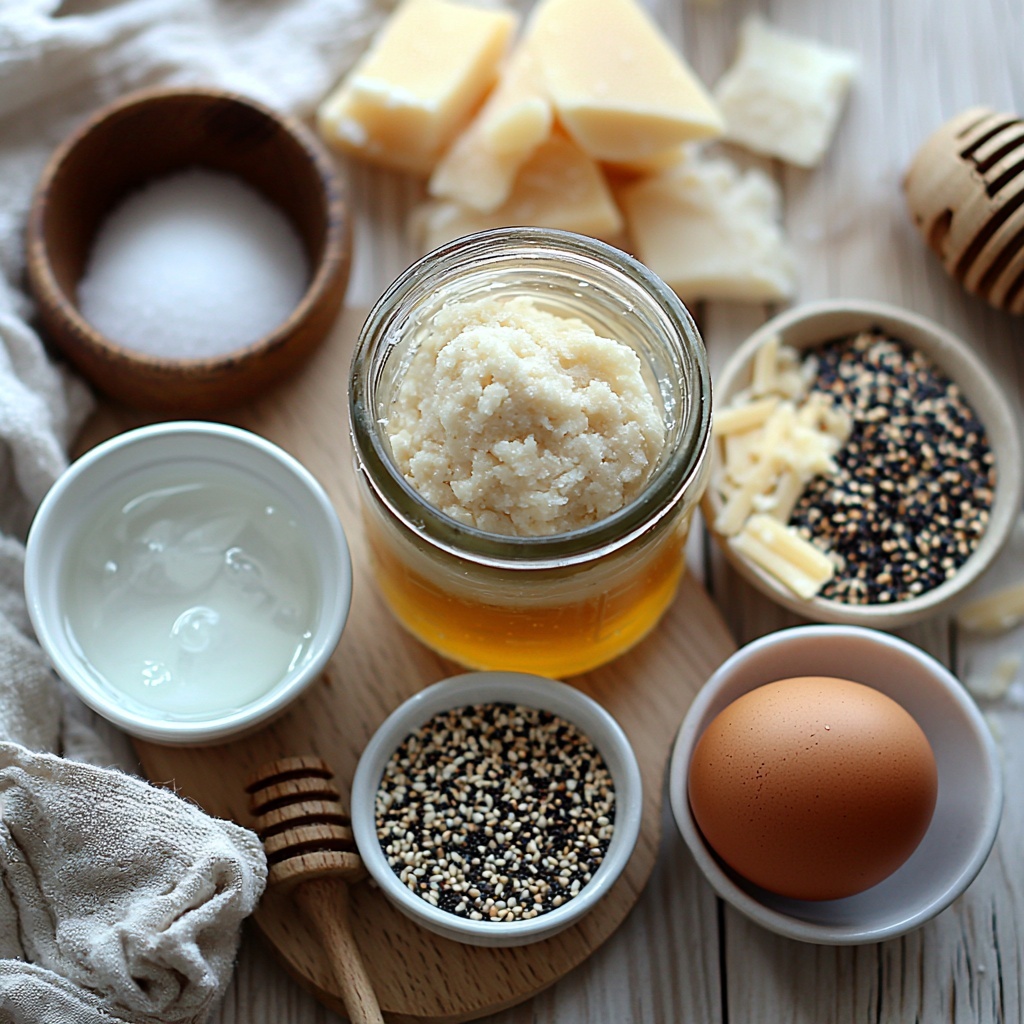
Ingredients You’ll Need
These ingredients are wonderfully simple but each one plays a vital role in crafting the perfect sourdough bagel—balancing flavor, texture, and that gorgeous golden crust you’ll admire as they bake.
- ½ cup sourdough starter: This is the heart of your bagels, giving them their distinct tang and natural rise.
- 1 cup water (250g): Hydrates the dough for a tender crumb and ensures your starter gets along smoothly with the flour.
- 2 tablespoons sugar: Adds just the right touch of sweetness to counterbalance the sourdough’s tang.
- 2 teaspoons salt: Enhances the flavor, balancing sweetness and controlling yeast activity for an even rise.
- 4 cups all-purpose flour (480g): The sturdy base providing structure and chewiness that bagels are famous for.
- 1 tablespoon honey: Used in the boiling water bath to develop a shiny, golden-brown crust.
- 1 large egg (beaten): This egg wash helps the seasonings stick and gives the bagels a beautiful glaze.
- Assorted seasonings: Everything bagel seasoning, poppy seeds, cheese, or your favorite toppings to customize every bite.
How to Make Sourdough Bagels Recipe
Step 1: Mix and Knead the Dough
Begin by combining your sourdough starter, water, sugar, and salt in a stand mixer bowl. The starter kickstarts the fermentation flare, while sugar and salt balance out the flavors. Slowly add the flour and use a dough hook to knead until the dough turns smooth, firm, and no longer sticky—this should take about 6 to 7 minutes. Don’t hesitate to adjust with extra flour or water if needed; the goal is a resilient dough that’s still pliable.
Step 2: Bulk Fermentation
Cover the kneaded dough and let it rest for 10 to 12 hours. This slow fermentation develops those signature sourdough flavors while also allowing the gluten to relax and strengthen, creating that perfect chew.
Step 3: Shape the Bagels
Lightly line a large baking sheet with parchment paper to prevent sticking. Divide your rested dough into eight equal portions, and shape each into a tight, smooth ball. Using your thumb, poke a hole in the center of each ball and gently stretch it until the opening measures about 1.5 to 2 inches. Place the shaped bagels on the parchment, cover, and let them puff up for 30 to 45 minutes. This second rise is when they get beautifully springy and soft.
Step 4: Boil for That Perfect Chew
Preheat your oven to 425℉ while bringing 6 cups of water and 1 tablespoon of honey to a boil in a medium pot. The honey sweetens the water, helping to develop a shiny crust. Boil each bagel for exactly 1 minute on each side—this step is key to bagels’ signature dense, chewy texture. Lift them out carefully with a slotted spoon and let the extra water drain off before placing them back on the parchment-lined baking sheet.
Step 5: Add the Finishing Touches
Brush every boiled bagel with the beaten egg wash; this ensures your chosen seasonings stick and provides that rich golden color. Scatter your toppings generously—maybe an “everything” blend, poppy seeds, or shredded cheese—to add texture and a burst of flavor.
Step 6: Bake to Golden Perfection
Pop the bagels into the oven and bake for 25 to 28 minutes until they turn stunningly golden on top. Allow them to cool for at least 15 minutes—it’s tough, but this step lets the crumb set so your bagels slice perfectly and maintain that ideal chew.
How to Serve Sourdough Bagels Recipe
Garnishes
Sourdough bagels deserve toppings that highlight their rustic flavor and texture. Fresh cream cheese with a sprinkle of chives or smoked salmon with capers creates a classic combination, but don’t shy away from homemade spreads like garlic herb butter or honey almond butter for a sweeter twist.
Side Dishes
Pair your bagels with a fresh fruit salad to contrast the chewiness or a steaming cup of coffee or tea to complement their rich tang. A simple green salad with a light vinaigrette also works well if you’re enjoying bagels for brunch.
Creative Ways to Present
Turn your homemade sourdough bagels into sliders filled with your favorite deli meats and cheeses for a crowd-pleasing appetizer, or slice them and toast for a quick breakfast with avocado and a sprinkle of red pepper flakes. Their sturdy texture holds toppings beautifully, inviting delicious creativity.
Make Ahead and Storage
Storing Leftovers
If you have any leftover bagels, store them in a sealed plastic bag or airtight container at room temperature for up to two days. Keeping them sealed helps maintain their chewy texture without drying out.
Freezing
Sourdough bagels freeze wonderfully. Slice them before freezing for easier portioning later, and wrap them tightly in foil or freezer-safe bags. They can last up to three months this way without losing their distinctive flavor or texture.
Reheating
To bring your bagels back to life, toast them lightly in a toaster or oven. If frozen, let them thaw slightly at room temperature before reheating. This will revive their chewy exterior while locking in the soft crumb inside—almost as good as fresh out of the oven.
FAQs
Can I use a fed or unfed sourdough starter for this recipe?
It’s best to use a fed (active) sourdough starter to ensure your bagels rise properly and develop the right flavor. An unfed starter might be too weak to give that classic sourdough tang and texture.
Why do I boil bagels before baking?
Boiling bagels sets their shape, creates a chewy crust, and helps develop their glossy exterior. The honey in the boiling water also promotes a beautifully golden color during baking.
Can I substitute all-purpose flour with bread flour?
Yes! Using bread flour with higher protein can yield even chewier bagels. However, all-purpose flour works great and may result in a slightly softer crumb if you prefer that texture.
Do I need a stand mixer to make this recipe?
Nope! While a stand mixer makes kneading easier, you can absolutely knead the dough by hand. Just be prepared to work the dough until it’s smooth and elastic, which might take a bit more effort.
How long does the dough need to ferment?
The bulk fermentation takes about 10 to 12 hours at room temperature, allowing the sourdough flavor to develop fully. The additional rise after shaping is about 30 to 45 minutes to get those perfect puffy bagels before boiling.
Final Thoughts
Making bagels at home might sound intimidating, but this Sourdough Bagels Recipe breaks it down into wonderfully manageable steps that guarantee delicious results. There’s something so comforting about pulling warm, chewy bagels fresh from your own oven—especially when they carry that unique sourdough tang. Give it a try, share them with loved ones, and watch how this simple recipe turns into a cherished favorite!
Print
Sourdough Bagels Recipe
- Prep Time: 15 minutes
- Cook Time: 30 minutes
- Total Time: 10 hours 40 minutes
- Yield: 8 bagels
- Category: Breakfast
- Method: Baking
- Cuisine: American
Description
These homemade sourdough bagels boast a chewy texture and a rich, tangy flavor from the natural sourdough starter. Perfectly boiled before baking and topped with your choice of seasonings, they’re a delicious twist on classic bagels made with simple ingredients and a slow fermentation process for enhanced taste and texture.
Ingredients
Dough Ingredients
- ½ cup sourdough starter
- 1 cup water (250g)
- 2 tablespoons sugar
- 2 teaspoons salt
- 4 cups all-purpose flour (spooned and levelled; 480g)
Boiling and Topping
- 1 tablespoon honey
- 1 large egg (beaten, for egg wash)
- Assorted seasonings (everything bagel seasoning, poppy seeds, cheese, etc.)
Instructions
- Mix Dough: In a stand mixer bowl, combine the sourdough starter, water, sugar, and salt. Add the all-purpose flour gradually and knead using the dough hook attachment until you achieve a smooth, firm, non-sticky dough, about 6 to 7 minutes. Adjust with extra flour or water if needed. Cover the dough and let it rest for 10 to 12 hours to ferment and develop flavor.
- Prepare Baking Sheet: Line a large baking sheet with parchment paper to prevent sticking and make transferring easier.
- Shape Bagels: Divide the rested dough into 8 equal portions. Roll each piece into a tight, smooth ball. Use your thumb to poke a hole in the center of each ball, then gently stretch the hole until it’s about 1.5 to 2 inches in diameter. Arrange the shaped bagels on the lined baking sheet, cover them, and let them rise for 30 to 45 minutes until they become puffy.
- Preheat and Boil: Preheat your oven to 425°F (220°C). In a medium pot, bring 6 cups of water and 1 tablespoon of honey to a boil. Boil each bagel for 1 minute on each side, using a slotted spoon to carefully remove them and drain excess water before placing them back onto the parchment-lined baking sheet.
- Apply Egg Wash and Seasonings: Brush each boiled bagel generously with beaten egg wash. Immediately sprinkle your favorite seasonings such as everything bagel mix, poppy seeds, or cheese over the surface for added flavor and texture.
- Bake the Bagels: Bake in the preheated oven for 25 to 28 minutes until the bagels are golden brown on top. Remove from the oven and allow them to cool for about 15 minutes before serving. Enjoy your freshly baked sourdough bagels!
Notes
- For best results, use an active and bubbly sourdough starter.
- Adjust flour or water during kneading to achieve a smooth, firm dough that is not sticky.
- The boiling step is crucial for developing the classic chewy crust of bagels.
- You can customize your bagels with any combination of toppings before baking.
- Allow the bagels to cool on a rack to prevent sogginess after baking.