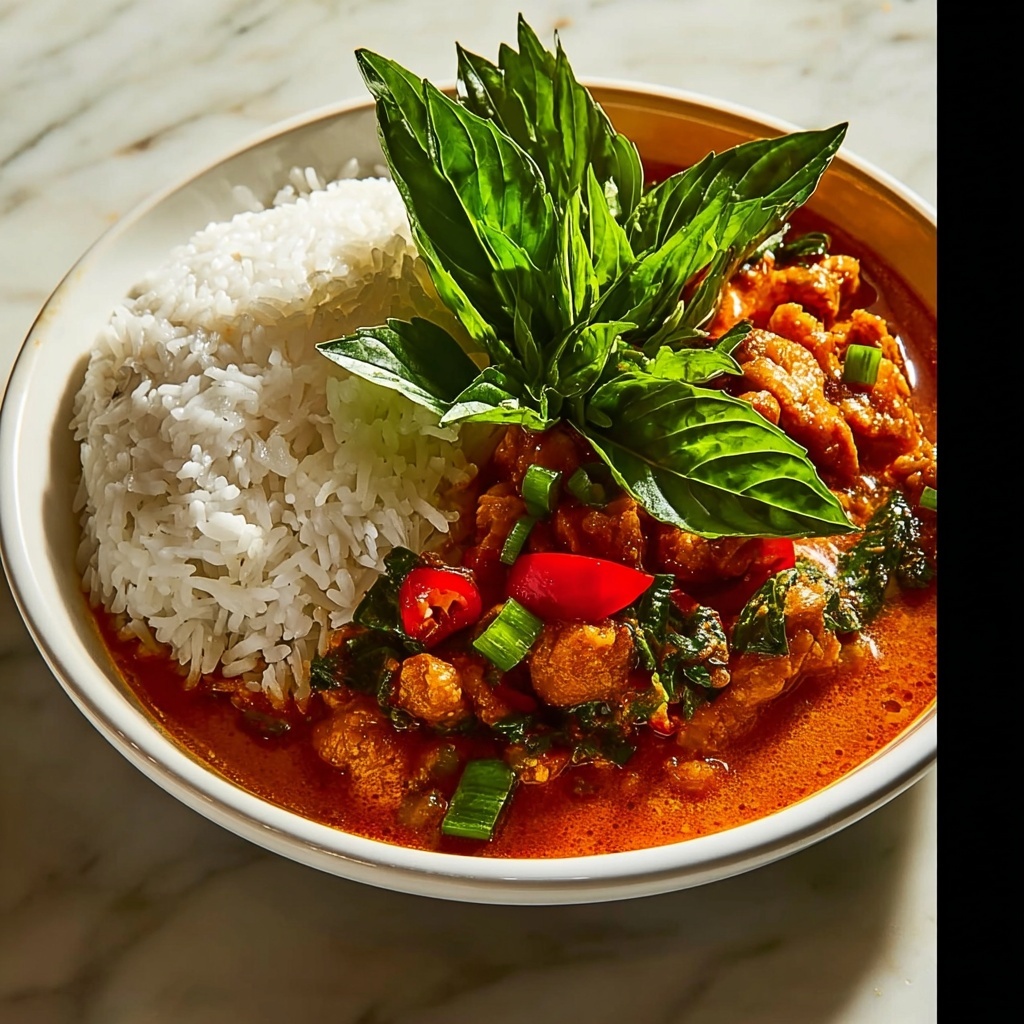
If you have been searching for a rich and creamy yet delightfully spicy Thai dish, you are about to find your new favorite. The Best Ever Thai Panang Curry Recipe delivers deep, satisfying flavors with every bite. This recipe perfectly balances savory coconut milk, aromatic herbs, and just the right amount of heat from authentic Panang curry paste to create a dish that feels both luxurious and comforting. Whether you are making dinner for your family or impressing guests, this curry will quickly become a cherished staple in your kitchen.
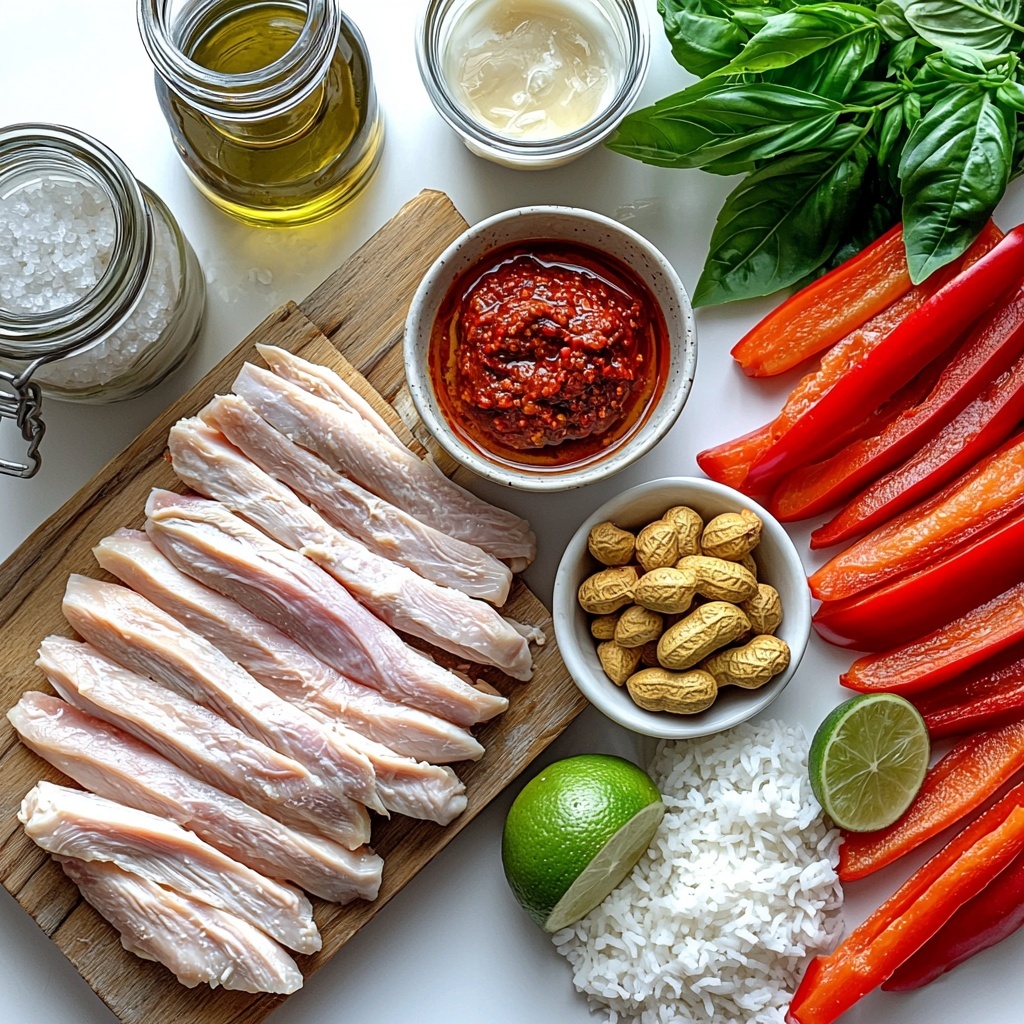
Ingredients You’ll Need
These ingredients are deceptively simple but absolutely essential to craft the distinct taste, texture, and vibrant colors that make this dish unforgettable. Each component works harmoniously to build rich layers of flavor and a beautiful presentation.
- Chicken breast or thigh (1 lb): Thinly sliced for quick cooking and tender, juicy bites.
- Panang curry paste (2 tbsp): The heart of this curry, packed with fragrant spices and a mild chili kick.
- Vegetable or coconut oil (1 tbsp): Needed for sautéing and bringing out the paste’s aromas.
- Full-fat coconut milk (1 can, 13.5 oz): Adds creamy richness and a tropical sweetness that balances the spice.
- Water or chicken broth (1/2 cup): Used to adjust the curry’s consistency to your liking.
- Fish sauce (1 tbsp): Deepens the umami and salty notes, essential for authentic flavor.
- Palm sugar or brown sugar (1 tbsp): Provides a gentle sweetness to round out the curry.
- Roasted peanuts or peanut butter (1/4 cup or 1 tbsp): Adds nutty richness and a subtle texture contrast.
- Red and green bell peppers (1 each, thinly sliced): Bring bright color and a crisp, fresh bite.
- Thai basil leaves (1/2 cup): For that signature aromatic finish and flutter of freshness.
- Onion (1/2 small, chopped): Contributes sweetness and depth when cooked.
- Bamboo shoots (1/2 cup, optional): Introduce an earthy crunch and authentic texture.
- Lime juice (from 1/2 lime): Adds a lively pop of acidity to brighten the flavors.
- Cooked jasmine rice: To serve and soak up every last drop of curry sauce.
How to Make Best Ever Thai Panang Curry Recipe
Step 1: Prepare Your Ingredients
Start by slicing the chicken thinly, chopping the onion, and slicing the bell peppers. Having everything prepped and ready will make the cooking process smooth and enjoyable, ensuring you can shift your focus to developing those gorgeous flavors.
Step 2: Sauté the Curry Paste
Heat your chosen oil in a wok or large skillet over medium heat. Add the Panang curry paste and sauté for 1 to 2 minutes until it becomes fragrant. This step is crucial as it helps to unlock the aromatic oils in the curry paste, forming the flavor base for the dish.
Step 3: Add Coconut Milk
Pour in the full-fat coconut milk and stir well to combine with the curry paste. Let this mixture simmer gently for 2 to 3 minutes. The coconut milk softens the spice intensity while adding its luscious creaminess.
Step 4: Cook the Chicken
Add the thinly sliced chicken to the curry base, stirring well so every piece is coat ed. Cook for 6 to 8 minutes, allowing the chicken to absorb the curry’s flavors while cooking through to tender perfection.
Step 5: Season and Enrich
Stir in the fish sauce, palm sugar, and crushed roasted peanuts (or peanut butter). Simmer for another 2 to 3 minutes. This combination builds layers of sweet, salty, and nutty notes that make this the Best Ever Thai Panang Curry Recipe truly unforgettable.
Step 6: Add Vegetables
Introduce the sliced red and green bell peppers, chopped onion, and bamboo shoots if you’re using them. Let everything cook for 2 to 3 minutes more until the vegetables are tender-crisp, which adds a refreshing texture contrast to the creamy curry.
Step 7: Finish with Thai Basil
Turn off the heat and fold in the Thai basil leaves. This final touch preserves their fresh aroma and vibrant green color, giving the curry a delightful herbal brightness right before serving.
Step 8: Serve and Enjoy!
Serve your Panang curry hot over perfectly steamed jasmine rice. The rice soaks up the rich sauce, bringing harmony to every mouthful. Garnish with extra basil leaves and a squeeze of lime for a zesty finish.
How to Serve Best Ever Thai Panang Curry Recipe
Garnishes
Fresh Thai basil leaves and a wedge of lime are your best garnishes to elevate this dish. The basil adds a fragrant herbal note, while lime juice introduces a bright acidity that balances the rich curry beautifully.
Side Dishes
Pair this curry with steamed jasmine rice to absorb the flavorful sauce. For added texture, a simple cucumber salad with a light vinaigrette or a side of crispy spring rolls provides a refreshing contrast.
Creative Ways to Present
For a fun twist, serve your Panang curry in small coconut bowls or over rice nestled inside carved bell peppers. A sprinkle of chopped roasted peanuts on top adds crunch and a touch of elegance perfect for entertaining.
Make Ahead and Storage
Storing Leftovers
Leftover Panang curry tastes fantastic the next day as the flavors deepen. Store it in an airtight container in the refrigerator for up to 3 days to keep it fresh and delicious.
Freezing
You can freeze the curry for up to 1 month. Use freezer-safe containers and remember to leave some space at the top to allow for expansion. Thaw in the refrigerator overnight before reheating.
Reheating
Reheat gently on the stovetop over low heat to prevent the coconut milk from separating. Stir occasionally until warmed through, adding a splash of water if the curry has thickened too much.
FAQs
Can I use tofu instead of chicken in the Best Ever Thai Panang Curry Recipe?
Absolutely! Firm tofu works wonderfully as a plant-based alternative. Press and cube it, then add it when cooking the chicken would normally go in. It soaks up the flavors beautifully.
How spicy is Panang curry compared to other Thai curries?
Panang curry is milder than red or green Thai curries but still carries a nice gentle heat. The creamy coconut milk balances out the spice, making it accessible for those sensitive to very spicy food.
What can I do if I can’t find Panang curry paste?
You can substitute red curry paste but add a teaspoon of ground peanuts and reduce the chili slightly to mimic Panang’s distinctive nutty and mild profile, though the flavor won’t be exactly the same.
Is it important to use full-fat coconut milk?
Yes, full-fat coconut milk provides the rich creaminess essential for the Best Ever Thai Panang Curry Recipe. Light coconut milk can be used but will result in a thinner, less luscious sauce.
Can I prepare this recipe ahead of time for a party?
Definitely! Make the curry a few hours ahead and gently reheat before serving. Just add fresh Thai basil and lime juice right before serving to keep those flavors bright and fresh.
Final Thoughts
Give yourself the joy of making this Best Ever Thai Panang Curry Recipe — it’s a wonderful blend of simplicity and extraordinary flavor. Once you try it, this dish will quickly become your go-to for a cozy night in or a special gathering. So grab your ingredients, and let’s get cooking!
Print
Best Ever Thai Panang Curry Recipe
- Prep Time: 10 minutes
- Cook Time: 15 minutes
- Total Time: 25 minutes
- Yield: 4 servings
- Category: Main Course
- Method: Stovetop
- Cuisine: Thai
Description
Experience the rich, creamy flavors of Thailand with this Best Ever Thai Panang Curry recipe. Featuring tender chicken in a fragrant Panang curry paste and coconut milk sauce, complemented by crunchy bell peppers, roasted peanuts, and fresh Thai basil, this vibrant dish comes together quickly on the stovetop for a comforting and flavorful meal perfect for any night of the week.
Ingredients
Protein
- 1 lb chicken breast or thigh, thinly sliced
Curry Base
- 2 tbsp Panang curry paste
- 1 tbsp vegetable oil or coconut oil
- 1 can (13.5 oz) full-fat coconut milk
- 1/2 cup water or chicken broth
Seasonings
- 1 tbsp fish sauce
- 1 tbsp palm sugar or brown sugar
- 1/4 cup roasted peanuts or 1 tbsp peanut butter
Vegetables & Herbs
- 1 red bell pepper, thinly sliced
- 1 green bell pepper, thinly sliced
- 1/2 small onion, chopped
- 1/2 cup bamboo shoots (optional)
- 1/2 cup Thai basil leaves
- Juice of 1/2 lime
To Serve
- Cooked jasmine rice
Instructions
- Prepare Ingredients: Slice the chicken into thin pieces, chop the onion, slice the red and green bell peppers, and gather all other ingredients so they are ready to use.
- Sauté Curry Paste: Heat vegetable or coconut oil in a wok or skillet over medium heat. Add the Panang curry paste and sauté for 1 to 2 minutes until it becomes fragrant, releasing its aromatic spices.
- Add Coconut Milk: Pour in the full-fat coconut milk and stir well to combine it thoroughly with the curry paste. Let the mixture simmer gently for 2 to 3 minutes to blend the flavors.
- Cook Chicken: Add the sliced chicken to the curry sauce and stir to coat the pieces evenly. Cook for 6 to 8 minutes, stirring occasionally, until the chicken is fully cooked through and tender.
- Season the Curry: Stir in the fish sauce, palm sugar (or brown sugar), and crushed roasted peanuts or peanut butter. Allow the curry to simmer for another 2 to 3 minutes. Taste and adjust seasoning as needed.
- Add Vegetables: Incorporate the sliced bell peppers, chopped onion, and bamboo shoots if using. Cook for 2 to 3 minutes more until the vegetables are tender-crisp but still vibrant.
- Finish with Basil: Turn off the heat and gently mix in the Thai basil leaves. This preserves their fresh aroma and beautiful green color.
- Serve: Serve the Panang curry hot over steamed jasmine rice. Garnish with extra Thai basil leaves and a squeeze of fresh lime juice for brightness if desired.
Notes
- Use chicken thigh for juicier, more flavorful meat, or chicken breast for a leaner option.
- For a vegetarian or vegan version, substitute chicken with tofu and use vegetable broth instead of chicken broth.
- If you prefer spicier curry, add extra Panang curry paste or fresh chili peppers.
- Bamboo shoots are optional but add a lovely texture; canned bamboo shoots should be rinsed before use.
- Peanut butter can be used as a shortcut if you don’t have roasted peanuts on hand.
- Always taste the curry at the end and adjust fish sauce or sugar to balance salty and sweet flavors.