
“`html
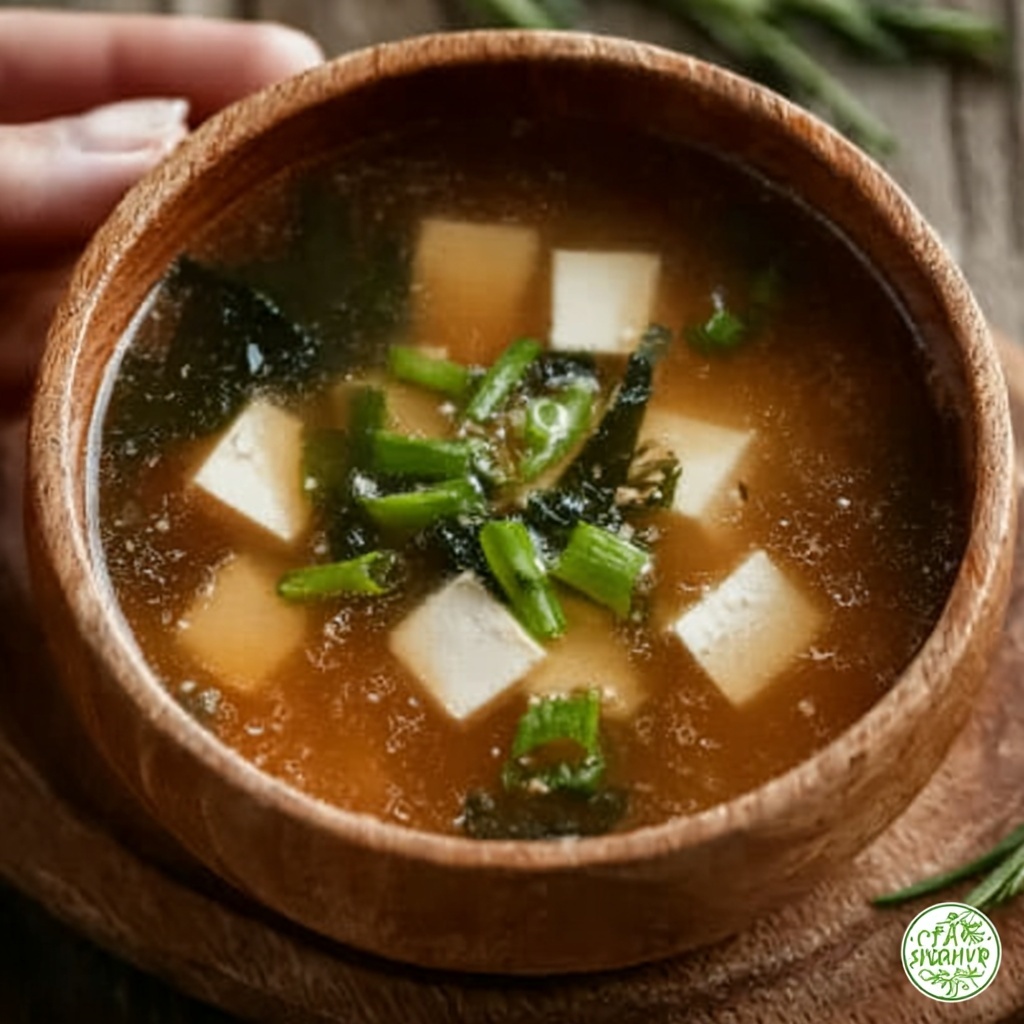
If you have ever craved a broth that feels like a warm hug in a bowl, you are in for a treat with this Miso Soup: An Incredible Ultimate Recipe for Amazing Flavor Recipe. This humble Japanese classic is packed with umami, has a gentle, soothing depth, and combines textures from silky tofu to tender mushrooms and vibrant seaweed. It’s a perfect dish to nourish your body and soul, and once you master it, you’ll want to make it again and again.
Ingredients You’ll Need
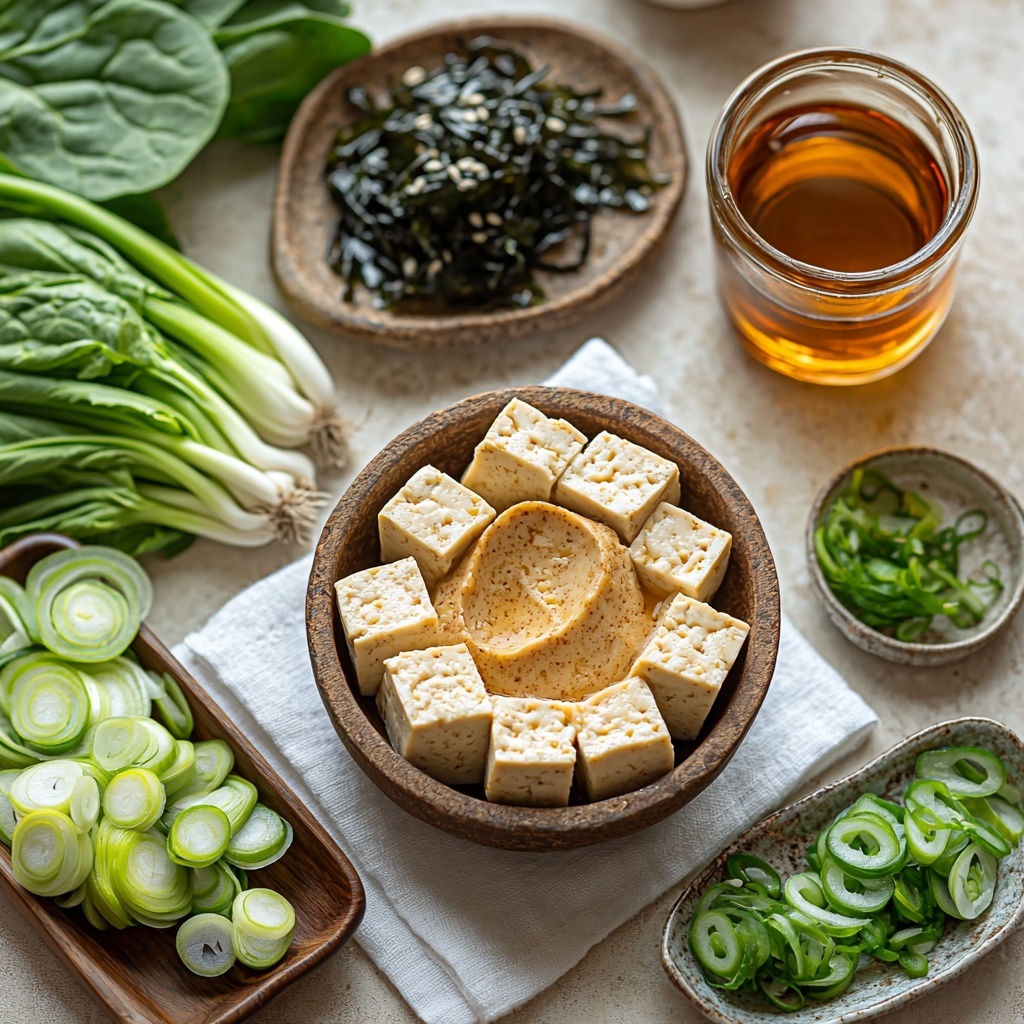
This recipe shines for its simplicity, relying on a handful of carefully chosen ingredients. Each one plays a vital role, from the savory dashi broth that forms the soul of the soup, to the fresh, wholesome additions that bring color and texture. Let’s break down exactly why these ingredients are essential.
- 4 cups dashi (Japanese soup stock) or water: The flavorful foundation that gives miso soup its traditional Japaneseyum.
- 3 tablespoons miso paste (white or red): This is the heart of the soup, delivering deep umami and a slight sweetness or earthiness depending on your choice.
- 1 block firm or silken tofu, cut into cubes: Provides creamy, soft bites that contrast beautifully with the broth and veggies.
- 1 cup seaweed (wakame), rehydrated: Adds a briny crunch and gorgeous pop of green that’s characteristic of authentic miso soup.
- 2 green onions, sliced: Fresh, sharp notes that brighten up every spoonful.
- 1 cup mushrooms (shiitake or other), sliced: Earthy and tender, mushrooms deepen the soup’s texture and enhance its umami.
- Optional: vegetables like bok choy or spinach: For a fresh, leafy twist and added nourishment.
- Optional: a few drops of soy sauce or sesame oil: To tweak seasoning and introduce a toasty or salty finish if desired.
How to Make Miso Soup: An Incredible Ultimate Recipe for Amazing Flavor Recipe
Step 1: Prepare the Broth Base
Begin by preparing your dashi, which is the underpinning flavor for the miso soup. If you’re using dashi powder, dissolve it in 4 cups of water over medium heat. Skip this step if you already have pre-made dashi on hand. This step ensures your soup starts with a light but profoundly savory flavor.
Step 2: Heat the Broth to a Gentle Simmer
Bring your dashi or plain water to a gentle simmer rather than a full boil. This gentler heat preserves the delicate flavors of your ingredients and creates the perfect environment for cooking tofu and mushrooms.
Step 3: Add the Tofu
Gently add cubed tofu to the simmering broth and let it heat through for about 5 minutes. Handling the tofu with care will keep it intact and silky soft, ready to soak up the savory soup notes.
Step 4: Incorporate the Mushrooms
Next, add your sliced mushrooms to the pot. Cook them for 3 to 5 minutes until they become tender and their natural earthy flavors begin to infuse the broth.
Step 5: Mix in the Miso Paste
Here’s a key technique: ladle some hot broth into a separate bowl and whisk in your miso paste until it becomes a smooth, flavorful mixture. This step prevents clumps and helps you control the intensity of miso flavor in the soup.
Step 6: Combine the Miso Mixture with the Broth
Slowly pour the miso mixture back into the pot and stir gently. Avoid boiling the soup after adding miso to preserve its delicate probiotics and distinctive taste.
Step 7: Add the Seaweed
Stir in your rehydrated wakame seaweed and let it soak for about a minute. The seaweed will soften and release its subtle ocean flavor, perfectly complementing the rest of the ingredients.
Step 8: Garnish with Green Onions
Turn off the heat and add the sliced green onions, stirring gently to distribute their fresh, crisp flavor throughout the soup.
Step 9: Taste and Adjust
Give your soup a taste and add a few drops of soy sauce or sesame oil if you want a little more depth or nuttiness. This optional step lets you personalize your miso soup exactly how you love it.
Step 10: Serve and Enjoy
Ladle the hot soup into bowls making sure to include a heartwarming mix of tofu cubes, mushrooms, and green onions in each serving. Now you’re ready to experience the full magic of this comforting classic.
How to Serve Miso Soup: An Incredible Ultimate Recipe for Amazing Flavor Recipe
Garnishes
While miso soup is delicious as is, a few thoughtful garnishes can push it over the edge. Try thinly sliced green onions for a peppery bite or a sprinkle of toasted sesame seeds for crunch and aroma. For a bit of heat, a dash of shichimi togarashi adds a vibrant kick.
Side Dishes
Miso soup pairs beautifully with light Japanese sides like steamed rice, pickled vegetables (tsukemono), or a fresh cucumber salad. It also makes a gentle starter before sushi or tempura dishes, providing a warm balance to cooler or fried bites.
Creative Ways to Present
Think beyond the bowl — try serving your miso soup in rustic wooden lacquerware or delicate porcelain cups for an authentic touch. You could also offer small bowls of add-ins like extra tofu, mushrooms, or seaweed at the table so everyone can customize their own bowl. Presentation makes this simple dish feel like a special experience.
Make Ahead and Storage
Storing Leftovers
Miso soup is best enjoyed fresh, but you can store leftovers in an airtight container in the refrigerator for up to 3-4 days. Keep in mind that tofu and seaweed may absorb liquid over time, so the texture can soften slightly, but the flavors will remain comforting and satisfying.
Freezing
Because miso soup contains tofu and delicate vegetables, freezing is not recommended. Freezing can compromise the texture of tofu and cause the broth to separate, affecting the overall quality of the soup.
Reheating
When reheating your miso soup, do it gently over low heat to avoid boiling, which can alter both texture and flavor. Stir frequently and heat just until warmed through to preserve the nuanced taste of your Miso Soup: An Incredible Ultimate Recipe for Amazing Flavor Recipe.
FAQs
Can I use vegetable broth instead of dashi?
Yes, vegetable broth can be used as a substitute, but it won’t have the same authentic umami depth that dashi provides. For a closer flavor, consider adding kombu (kelp) to your vegetable broth.
What type of miso paste is best for this soup?
White miso provides a milder, sweeter flavor while red miso is stronger and earthier. Either works wonderfully depending on your taste preference, or you can mix both for complexity.
Can I make this soup vegan?
Absolutely! Use a kombu-based dashi (without bonito flakes) or vegetable broth and ensure your miso paste contains no fish ingredients. This way, your soup remains plant-based and delicious.
Is it okay to add other vegetables?
Definitely. Vegetables such as bok choy, spinach, or carrots can add color and nutrition. Just add them according to their cooking times so everything finishes perfectly tender.
How do I avoid clumps when adding miso?
Whisking miso paste in a small bowl with hot broth before adding it back into the main pot ensures smooth integration and prevents clumps.
Final Thoughts
I can’t recommend enough that you give this Miso Soup: An Incredible Ultimate Recipe for Amazing Flavor Recipe a try. It’s a quick, nourishing bowl of comfort that feels both simple and special. Whether you’re a beginner or a seasoned cook, this recipe invites you to savor the little moments and deep flavors that make Japanese cuisine so beloved. Happy cooking and happy sipping!
“`
Print
Miso Soup: An Incredible Ultimate Recipe for Amazing Flavor Recipe
- Prep Time: 10 minutes
- Cook Time: 20 minutes
- Total Time: 30 minutes
- Yield: 4 servings
- Category: Soup
- Method: Stovetop
- Cuisine: Japanese
- Diet: Low Fat
Description
Experience the authentic taste of Japan with this Ultimate Miso Soup recipe. Combining rich dashi broth, smooth miso paste, tofu, seaweed, and mushrooms, this comforting soup is perfect for a cozy meal or as a starter. Ready in just 30 minutes and adaptable with optional vegetables and seasonings, it delivers amazing umami flavor that’s both nourishing and satisfying.
Ingredients
Broth
- 4 cups dashi (Japanese soup stock) or water
Soup Ingredients
- 3 tablespoons miso paste (white or red)
- 1 block firm or silken tofu, cut into cubes
- 1 cup seaweed (wakame), rehydrated
- 2 green onions, sliced
- 1 cup mushrooms (shiitake or other), sliced
- Optional: vegetables like bok choy or spinach
- Optional: a few drops of soy sauce or sesame oil
Instructions
- Prepare dashi: If using dashi powder, dissolve it in 4 cups of water in a pot. Skip this step if you’re using pre-made dashi stock.
- Heat the broth: Place the pot on medium heat and bring the dashi or water to a gentle simmer, ensuring it doesn’t boil vigorously.
- Add tofu: Carefully add the cubed firm or silken tofu to the simmering broth. Allow it to heat through for about 5 minutes without stirring too vigorously to prevent breaking the tofu.
- Incorporate mushrooms: Add the sliced shiitake or other mushrooms to the pot and cook for 3 to 5 minutes until they become tender and release their flavor.
- Mix in miso: In a separate bowl, ladle some of the hot broth and whisk in the miso paste until it dissolves completely and forms a smooth mixture.
- Combine: Pour the miso mixture back into the main pot, stirring gently to blend the flavors without boiling the soup, which can diminish the miso’s delicacy.
- Add seaweed: Stir in the rehydrated wakame seaweed and allow it to soak in the warm broth for about 1 minute.
- Garnish: Turn off the heat and stir in the sliced green onions gently for a fresh, crisp finish.
- Taste and adjust: Sample the soup and add optional soy sauce or a few drops of sesame oil if you desire extra depth and aroma.
- Serve: Ladle the soup into bowls, making sure to include tofu cubes, mushrooms, and green onions in each serving. Enjoy your warm, flavorful miso soup!
Notes
- Use firm tofu to keep cubes intact, but silken tofu offers a creamier texture.
- Do not boil the soup after adding miso paste; high heat can kill probiotics and alter the flavor.
- Rehydrate seaweed by soaking it in water for 5–10 minutes before adding to the soup.
- Adjust miso quantity based on taste preference and type (white miso is milder; red miso is stronger).
- Optional vegetables like bok choy or spinach can be added for extra nutrition and texture.
- For a gluten-free version, ensure soy sauce (if used) is gluten-free.