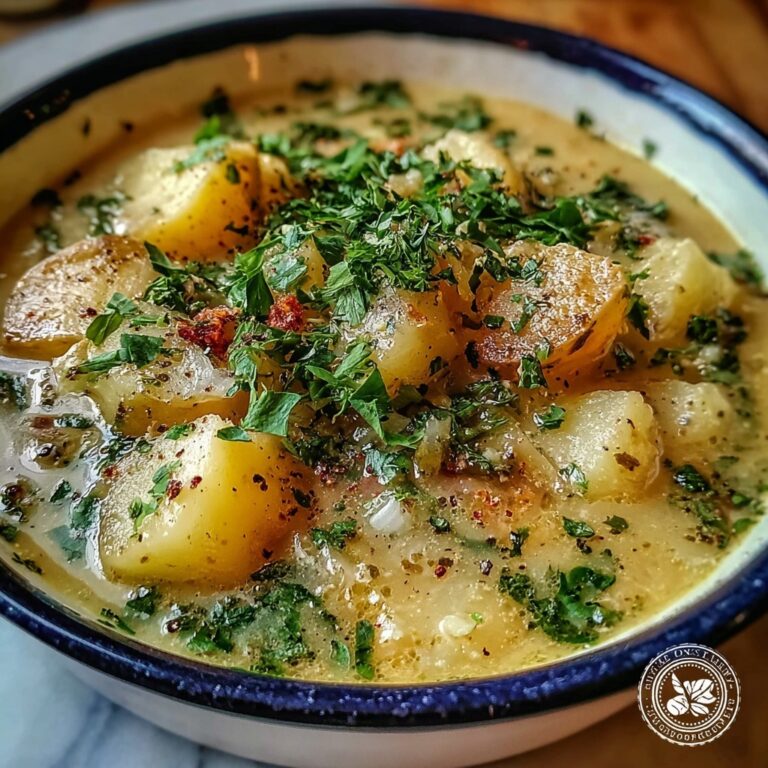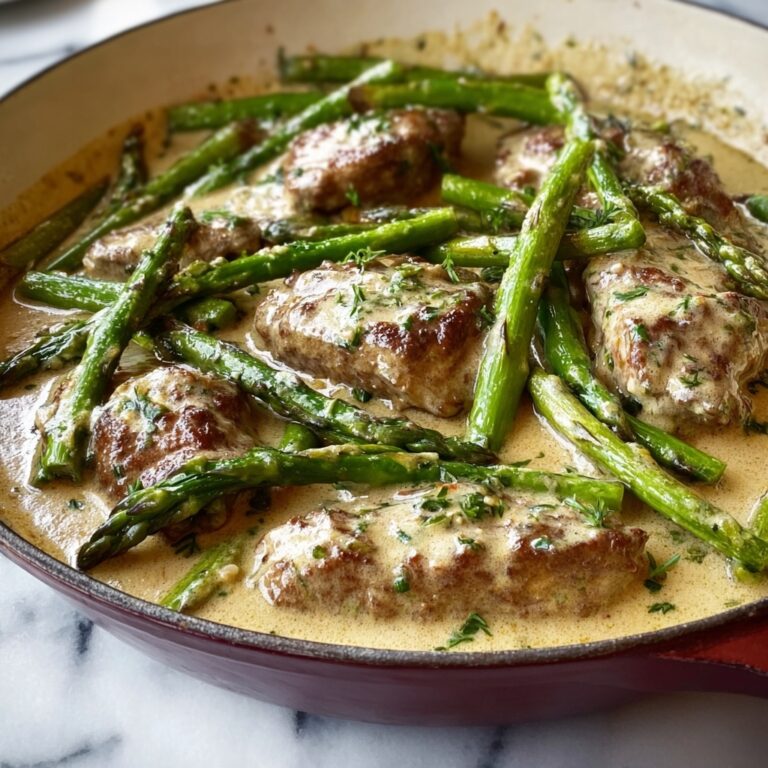
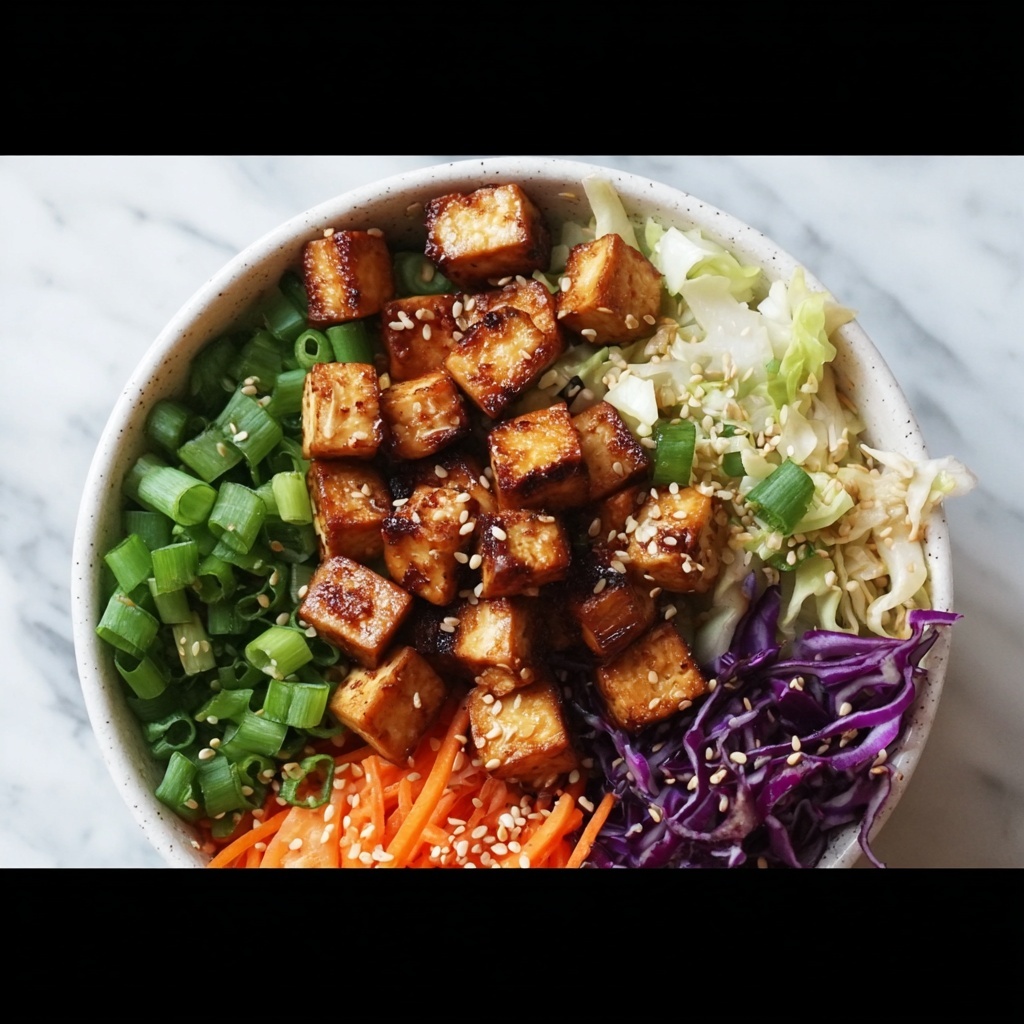
If you’re craving a meal that feels like a warm hug and packs a punch of nourishment, look no further than this Longevity Miso Bowl (High-Protein) Recipe. It combines hearty cooked quinoa, tender tofu, and a medley of vibrant veggies swimming in a savory miso broth, delivering a delicious dish that’s as satisfying as it is healthful. Perfect for fueling your body with plant-based protein and bursting with flavors that feel both comforting and revitalizing.
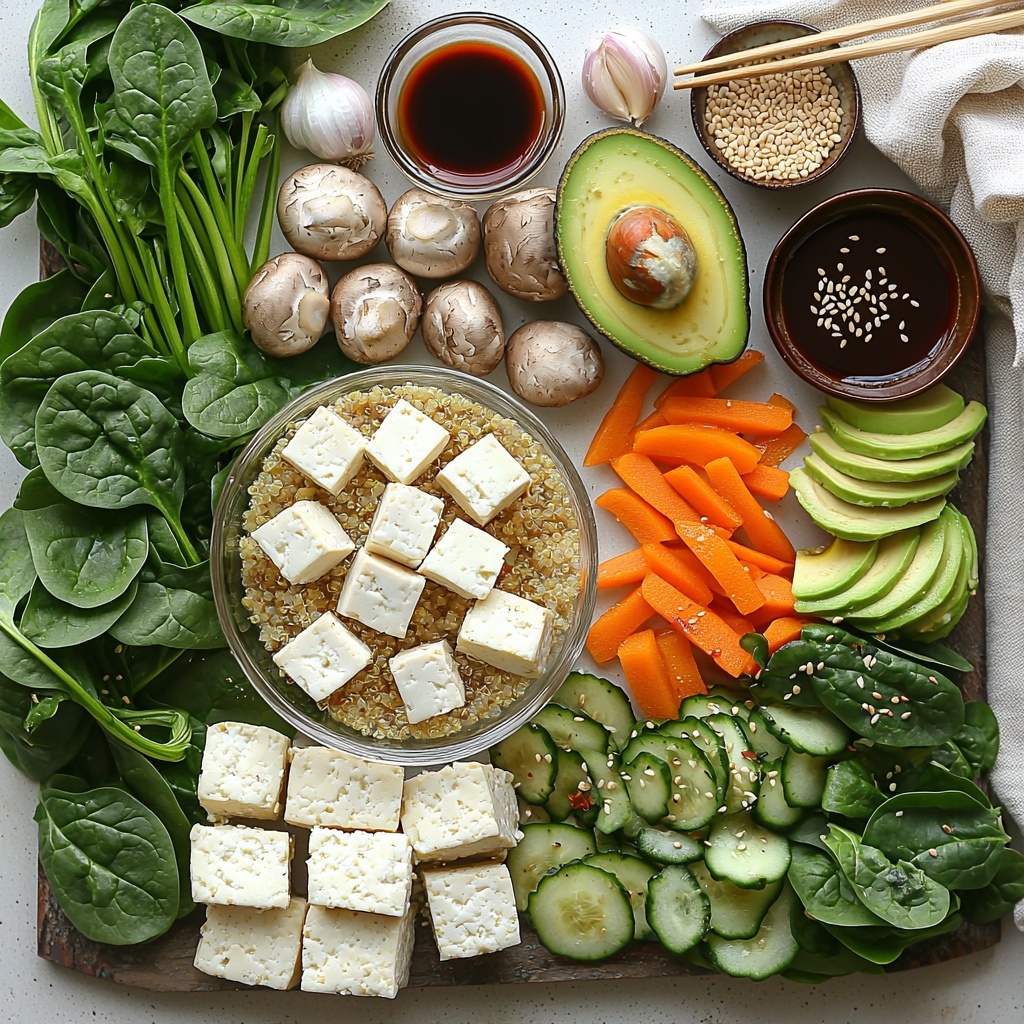
Ingredients You’ll Need
This recipe keeps it wonderfully simple with a handful of pantry staples and fresh ingredients that come together to create a symphony of taste and texture. Each element plays a vital role from the creamy avocado topping to the fragrant ginger that wakes up the broth.
- 2 cups cooked quinoa: This is your hearty, protein-rich base that soaks up all the delicious broth.
- 1 cup firm tofu cut into cubes: Adds a smooth, satisfying texture and a boost of plant-based protein.
- 1 tablespoon olive oil: For sautéing, imparting a light richness and depth to the flavors.
- 2 cups baby spinach: Provides a pop of green freshness and valuable nutrients, wilting perfectly in the broth.
- 1 cup sliced mushrooms: Lends an earthy umami punch that deepens the soup’s taste.
- 1 medium carrot thinly sliced: Adds subtle sweetness and crunch.
- 2 cloves garlic minced: For aromatic sharpness and that signature savory lift.
- 1 tablespoon grated fresh ginger: Gives the broth a warm spice that’s invigorating and soothing.
- 3 tablespoons white or yellow miso paste: The soul of the broth, providing rich, fermented umami flavor.
- 3 cups low-sodium vegetable broth: A light, flavorful liquid base for the miso soup.
- 1 tablespoon low-sodium soy sauce or tamari: Brings a touch of saltiness and depth, with tamari as a gluten-free alternative.
- 1 teaspoon sesame oil: For a nutty finish that elevates the whole dish.
- 2 green onions sliced: Delivers a fresh crunch and mild bite on top.
- 1 tablespoon sesame seeds: A toasty garnish that adds texture.
- 1/2 avocado sliced: Creamy richness that contrasts beautifully with the savory broth.
- 1 tablespoon rice vinegar: Adds a subtle tang that brightens the flavors.
- Optional chili flakes to taste: For those who love a hint of heat and spice.
How to Make Longevity Miso Bowl (High-Protein) Recipe
Step 1: Sauté Aromatics and Vegetables
Start by heating the olive oil in a medium pot over medium heat. Toss in the minced garlic and freshly grated ginger, cooking just until their fragrance fills your kitchen — about a minute. This step is crucial as it creates a flavorful foundation for your broth. Next, add the mushrooms and thinly sliced carrots, sautéing them for 3 to 4 minutes until they soften slightly but still have a bit of bite.
Step 2: Simmer the Broth
Pour the low-sodium vegetable broth into the pot and bring it to a gentle simmer. This warm liquid becomes the comforting base of your miso bowl, infused with the earlier sautéed flavors. To integrate the miso paste without clumps, whisk it together in a small bowl with a few tablespoons of the warm broth until smooth. Stir this mixture back into the pot along with soy sauce (or tamari) and rice vinegar — these add balance with saltiness and a little tang.
Step 3: Add Tofu and Spinach
Gently add the cubed firm tofu to the simmering broth and let it warm through over 5 minutes. Finally, stir in the baby spinach, cooking just until it wilts, which usually takes less than a minute. This keeps the greens tender and vibrant, locking in their freshness and nutrients without overcooking.
Step 4: Assemble the Bowl
Divide your perfectly cooked quinoa between two bowls, forming a wholesome base that’s packed with protein and fiber. Ladle the hot miso broth, tofu, and vegetable mixture over the quinoa. The layers of texture from the fluffy quinoa, silky tofu, and tender vegetables make every spoonful a delight.
Step 5: Finish with Flavorful Toppings
Top each bowl with sliced avocado for creamy indulgence, sprinkle with sliced green onions and toasted sesame seeds for a fresh crunch, and drizzle a teaspoon of sesame oil for that unmistakable nutty aroma. If you like, add chili flakes to taste for a gentle kick of heat. This finishing touch pulls the dish together beautifully.
How to Serve Longevity Miso Bowl (High-Protein) Recipe
Garnishes
While the recipe includes avocado, green onions, sesame seeds, sesame oil, and optional chili flakes, feel free to get creative with garnishes! Fresh cilantro, a squeeze of lime, or even a sprinkle of crushed nori can enhance both flavor and presentation further. These bright, fresh additions add layers of complexity and a burst of color.
Side Dishes
This miso bowl stands strong as a main course but pairs wonderfully with light sides like pickled vegetables or steamed edamame. A crisp cucumber salad dressed with rice vinegar and a hint of sesame can add a refreshing contrast that complements the warm, savory flavors of the bowl perfectly.
Creative Ways to Present
For an inviting table, serve your Longevity Miso Bowl (High-Protein) Recipe in deep ceramic bowls that help retain heat. Layer quinoa at the bottom, and arrange veggies and tofu with thoughtful care on top before ladling the broth elegantly. Consider using vibrant bowls or plating accompaniments in small mismatched dishes for a cozy, homey vibe that encourages lingering over your meal.
Make Ahead and Storage
Storing Leftovers
If you have leftovers, store the miso broth and tofu mixture separately from the quinoa in airtight containers in the refrigerator. This helps preserve the texture and freshness. They will keep well for up to 3-4 days, allowing you to enjoy this nourishing meal again without any loss in flavor or quality.
Freezing
While freezing cooked quinoa and tofu in broth is possible, the texture of the tofu may change slightly upon thawing. If you choose to freeze, portion into freezer-safe containers and consume within 1 month for the best taste. Be sure to thaw slowly in the refrigerator before reheating gently.
Reheating
When ready to eat, reheat the broth and tofu gently on the stovetop to avoid boiling, which can dull the miso’s vibrant flavor. Warm the quinoa separately and combine just before serving. Add fresh toppings like avocado and green onions after reheating to maintain their bright flavors and textures.
FAQs
Can I use other grains instead of quinoa in the Longevity Miso Bowl (High-Protein) Recipe?
Absolutely! Brown rice, soba noodles, or even barley make excellent alternatives. Each offers a unique texture and keeps the meal hearty and satisfying.
Is this recipe suitable for gluten-free diets?
Yes, by substituting tamari for soy sauce, this miso bowl easily fits into a gluten-free lifestyle without sacrificing flavor.
Can I add more protein to this dish?
Definitely. Adding shelled edamame, shredded chicken, or a soft-boiled egg can boost the protein content further while complementing the existing flavors.
Why shouldn’t I boil the miso after adding it?
Boiling miso can destroy some of its delicate flavors and beneficial probiotics. Keeping the heat gentle preserves its nutritional and taste qualities.
Can I prepare parts of this recipe in advance?
Yes! Cook the quinoa ahead of time and store it separately. You can also prep and chop vegetables in advance to make assembling and cooking quick and easy on busy days.
Final Thoughts
This Longevity Miso Bowl (High-Protein) Recipe is truly a gem for anyone seeking a nourishing meal that feels both comforting and energizing. Its rich flavors, varied textures, and wholesome ingredients come together in an effortless bowl that’s a joy to eat. I hope you enjoy making and sharing this recipe as much as I do—it’s a delicious step towards vibrant health and happiness.
Print
Longevity Miso Bowl (High-Protein) Recipe
- Prep Time: 15 minutes
- Cook Time: 20 minutes
- Total Time: 35 minutes
- Yield: 2 servings
- Category: Main Course
- Method: Stovetop
- Cuisine: Japanese-Inspired
- Diet: Vegetarian
Description
This Longevity Miso Bowl is a nutritious, high-protein vegetarian meal inspired by Japanese flavors. Featuring protein-rich tofu and quinoa combined with nutrient-dense vegetables and a savory miso broth, it offers a comforting and immune-boosting dish perfect for any time of day. The bowl balances hearty textures with fresh ingredients and bold umami flavors, finished with creamy avocado and toasted sesame seeds for added richness.
Ingredients
Main Ingredients
- 2 cups cooked quinoa
- 1 cup firm tofu, cut into cubes
- 1 tablespoon olive oil
- 2 cups baby spinach
- 1 cup sliced mushrooms
- 1 medium carrot, thinly sliced
- 2 cloves garlic, minced
- 1 tablespoon grated fresh ginger
- 3 tablespoons white or yellow miso paste
- 3 cups low-sodium vegetable broth
- 1 tablespoon low-sodium soy sauce or tamari
- 1 teaspoon sesame oil
- 2 green onions, sliced
- 1 tablespoon sesame seeds
- 1/2 avocado, sliced
- 1 tablespoon rice vinegar
- Optional: chili flakes to taste
Instructions
- Heat aromatics: Heat olive oil in a medium pot over medium heat. Add the minced garlic and grated ginger, cooking for about 1 minute until fragrant but not browned.
- Sauté vegetables: Add the sliced mushrooms and thinly sliced carrot to the pot. Sauté for 3 to 4 minutes until the vegetables have softened slightly but retain some crunch.
- Add broth and simmer: Pour in the low-sodium vegetable broth and bring the mixture to a gentle simmer over medium heat.
- Incorporate miso paste: In a small bowl, whisk the miso paste with a few tablespoons of the warm broth until smooth and no lumps remain. Stir this mixture back into the pot along with the soy sauce (or tamari) and rice vinegar. Make sure the broth does not boil to preserve miso flavor and health benefits.
- Add tofu and warm through: Gently add the tofu cubes into the broth and cook for 5 minutes to heat the tofu through and meld flavors.
- Wilt spinach: Stir in the baby spinach and cook just until it wilts, about 1 to 2 minutes. Avoid overcooking to keep spinach bright and nutrient-rich.
- Assemble bowls: Divide the cooked quinoa evenly between two bowls. Ladle the hot miso broth with tofu and vegetables over the quinoa.
- Garnish and serve: Top each bowl with sliced avocado, green onions, sesame seeds, a drizzle of sesame oil, and optional chili flakes for heat. Serve warm immediately.
Notes
- Use tamari instead of soy sauce if you want a gluten-free version.
- You can substitute brown rice or soba noodles for quinoa if preferred.
- For extra protein, add shelled edamame or shredded cooked chicken.
- Do not boil the miso after adding it; gentle heating preserves its delicate flavors and beneficial probiotics.